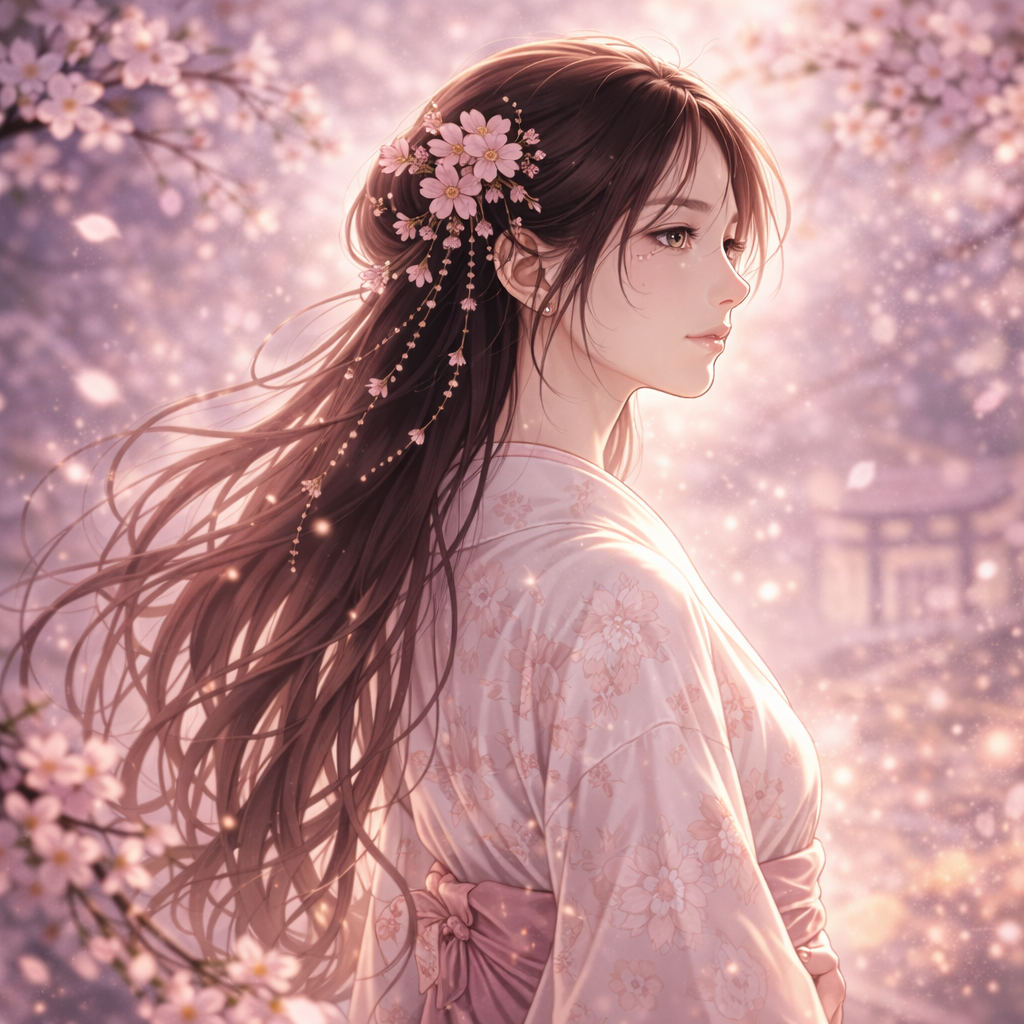
Who Is Konohanasakuya — Goddess of Beauty and Life Dwelling in Cherry Blossoms and Mount Fuji
Konohanasakuya-hime
Konohana-no-Sakuyabime (Kojiki) / Konohana-no-Sakuyahime (Nihon Shoki) / Kamuatatsuhime / Kamu-Ata-Kaashitsu-hime / Asama-no-Okami
Konohanasakuya is the goddess of beauty and life in Japanese mythology, known for her radiant beauty like blossoming tree flowers (cherry blossoms). The daughter of the mountain god Oyamatsumi and the wife of the heavenly grandson Ninigi, she is the mother goddess who bore Umisachihiko, Yamasachihiko, and their brother. Enshrined at Sengen shrines throughout Japan whose sacred body is Mount Fuji, she is widely revered as a goddess of safe childbirth, fertility, and protection from fire.
| Divine role | Goddess of beauty and life, mountain deity, god of sake-brewing, fire deity, goddess of safe childbirth |
|---|---|
| Gender | Goddess |
| Parent | Oyamatsumi, the god who rules over the mountains |
| Siblings | Iwanagahime (elder sister); also Kamu-Oichihime and others |
| Spouse | Ninigi, grandson of Amaterasu and the deity of the heavenly descent |
| Children | Hoderi (Umisachihiko), Hosuseri, and Hoori (Yamasachihiko) |
| Sources | Kojiki, Nihon Shoki |
| Blessings | Safe childbirth, fertility, matchmaking, protection from fire, prosperity in sake-brewing, abundant harvests, and more |
| Major shrines | Fujisan Hongu Sengen Taisha (Shizuoka), Sengen shrines nationwide, Koyasu Shrine (Hachioji, Tokyo, and elsewhere) |
Having descended to earth in the heavenly descent, Ninigi met the beautiful Konohanasakuya at Cape Kasasa (thought to be on the Satsuma Peninsula), and, captivated at first sight, asked for her hand. Her father, the mountain god Oyamatsumi, rejoiced greatly and offered both of his daughters, presenting her elder sister Iwanagahime as well.
Ninigi chose only the beautiful Konohanasakuya and sent her elder sister Iwanagahime back to their father. Oyamatsumi lamented, for he had intended to bestow upon Iwanagahime "eternal life like rock" and upon Konohanasakuya "flourishing life like the flowers of trees." Because of this choice, the lives of the heavenly grandson's descendants—the successive emperors (humankind)—lost the permanence of rock and became as fleeting as tree blossoms. This is an important myth that contrasts eternity with prosperity, permanence with beauty.
Konohanasakuya united with Ninigi and conceived in a single night. When Ninigi doubted her, saying, "To conceive in a single night—surely this is not my child, but the child of an earthly deity," she resolved to prove her innocence. She sealed the entrance of the birthing hut, set it ablaze, and gave birth amid the roaring flames. Within the raging fire she safely bore three sons—Hoderi (Umisachihiko), Hosuseri, and Hoori (Yamasachihiko)—demonstrating that her children were the legitimate offspring of the heavenly grandson. From this episode, she came to be revered as a goddess of protection from fire and of safe childbirth.
The Kojiki gives her true name as Kamuatatsuhime and her alternate name as Konohana-no-Sakuyabime, while the Nihon Shoki records her as Kamu-Ata-Kaashitsu-hime with the alternate name Konohana-no-Sakuyahime. "Konohana" (the flowers of trees) is taken to mean cherry blossoms, and some hold that the very word for cherry blossom traces back to her. Because her father is the mountain god, she inherited a mountain divinity, and in later ages she came to be identified with the god of Mount Fuji (Asama-no-Okami).
Konohanasakuya embodies beauty, life, and prosperity, just as the blossoming flowers of trees (cherry blossoms) symbolize. Paired with her elder sister Iwanagahime's "rock = eternity," she bears the "flower = transience and full bloom," depicted as a being who holds both beauty and impermanence at once—lovely precisely because, in full bloom, she must scatter. Yet she also possesses a fierce intensity, leaping into the burning birthing hut when her fidelity was doubted; behind her delicate beauty lies a strong will and a capacity to burn. Her flourishing vitality and the maternity that brings forth life through flame together form her dual nature.
Her head shrine is Fujisan Hongu Sengen Taisha in Fujinomiya, Shizuoka Prefecture, regarded as the center of roughly 1,300 Sengen shrines nationwide whose sacred body is Mount Fuji itself. She has long been revered as a goddess who quells the eruptions of Mount Fuji and protects from fire, and her worship spread in tandem with the cult of Mount Fuji. From the myth of safely bearing three sons in the burning birthing hut, she is also regarded as a goddess of safe childbirth and fertility, enshrined at Koyasu Shrine in Hachioji, Tokyo, and at "Koyasu" and "Konohana" shrines throughout the country. She is also deeply venerated in connection with cherry blossoms, beauty, and sake-brewing (after her father Oyamatsumi).
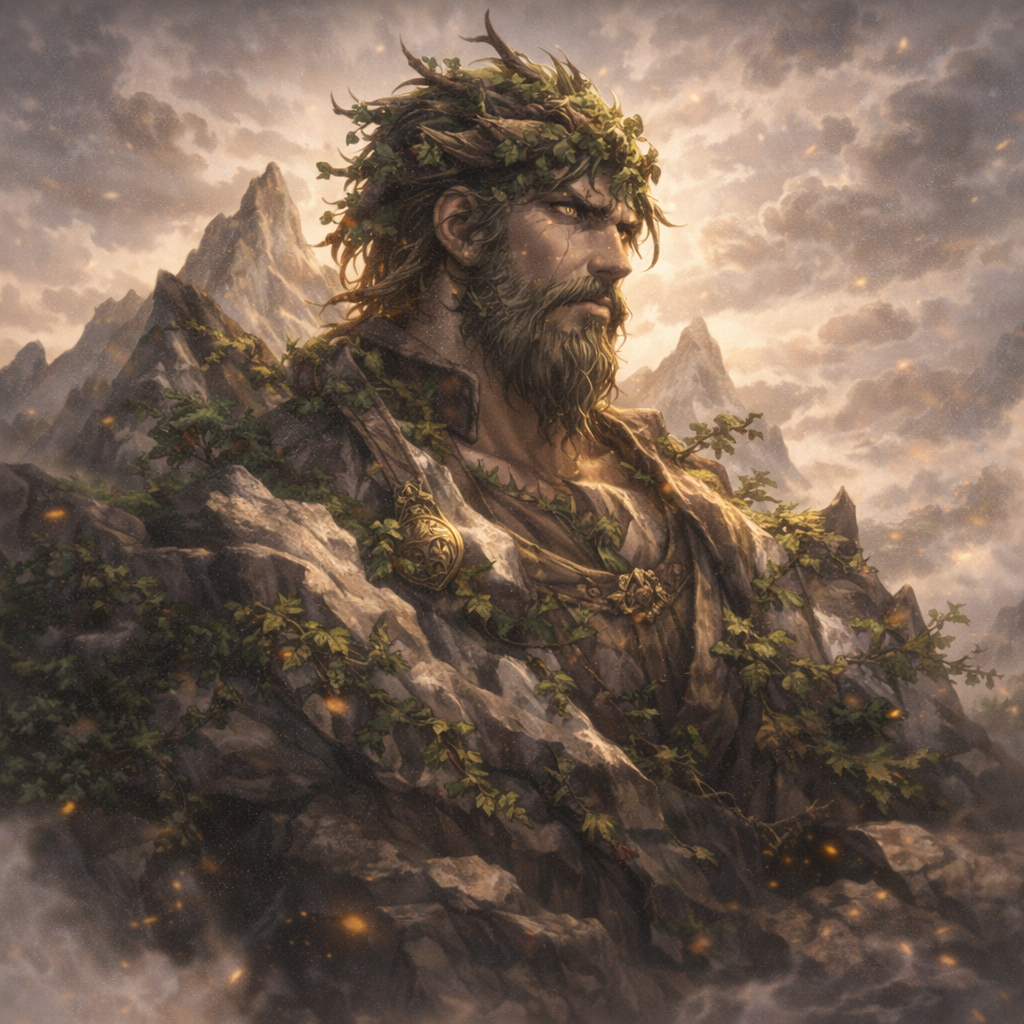 OyamatsumiHer father. The god who rules over the mountains, father of Konohanasakuya and Iwanagahime
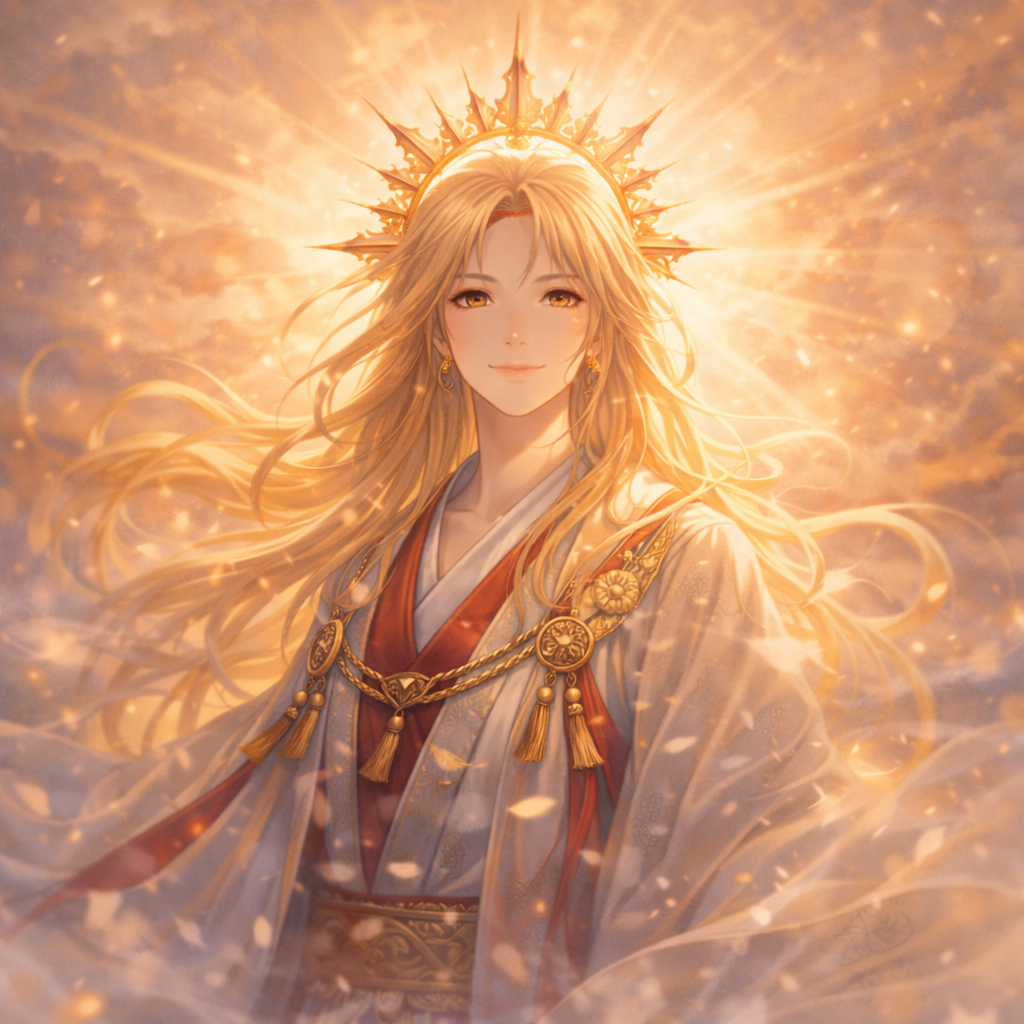 AmaterasuThe sun goddess, grandmother of her husband Ninigi. The apex of the heavenly descent lineage
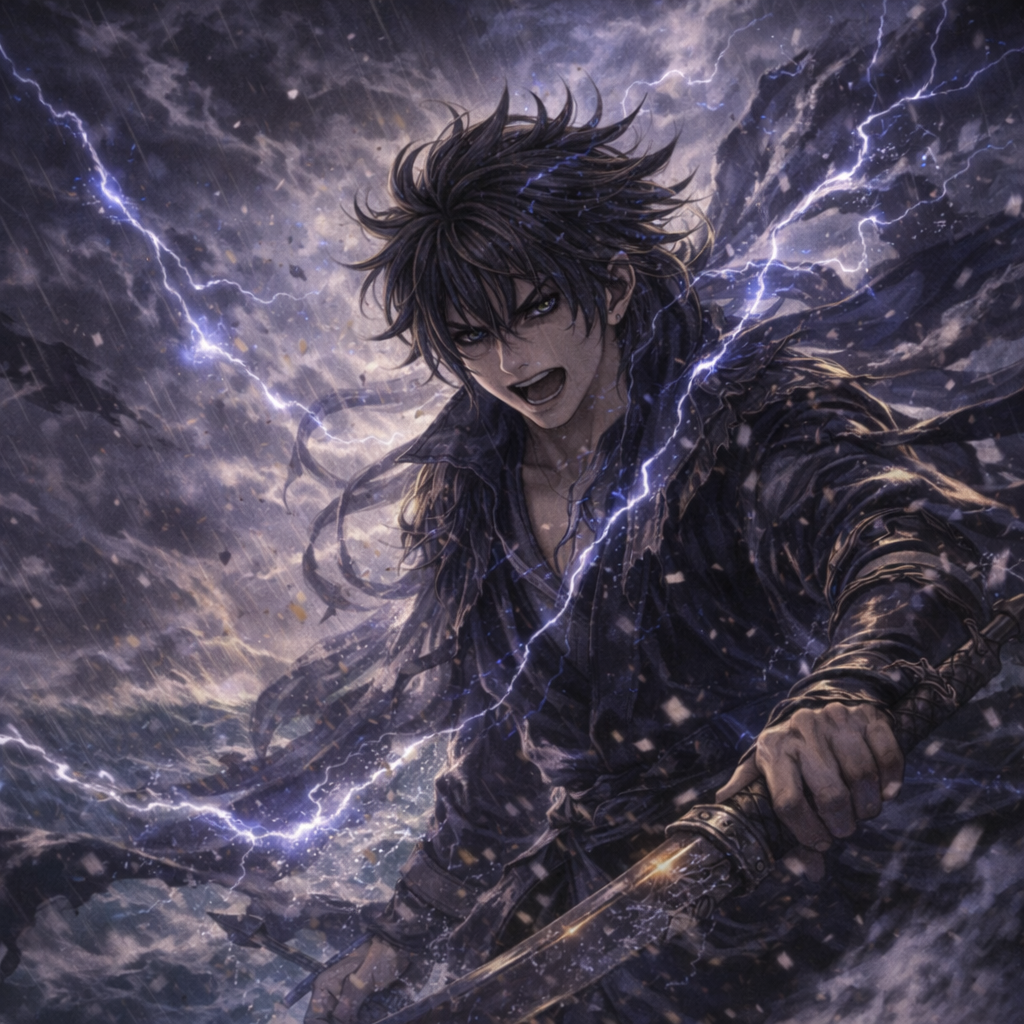 SusanooThe storm god. A deity of the opposite pole—raging power against delicate beauty
 ShinatsuhikoThe wind god. A pairing of the wind that scatters flowers and the flower that blooms