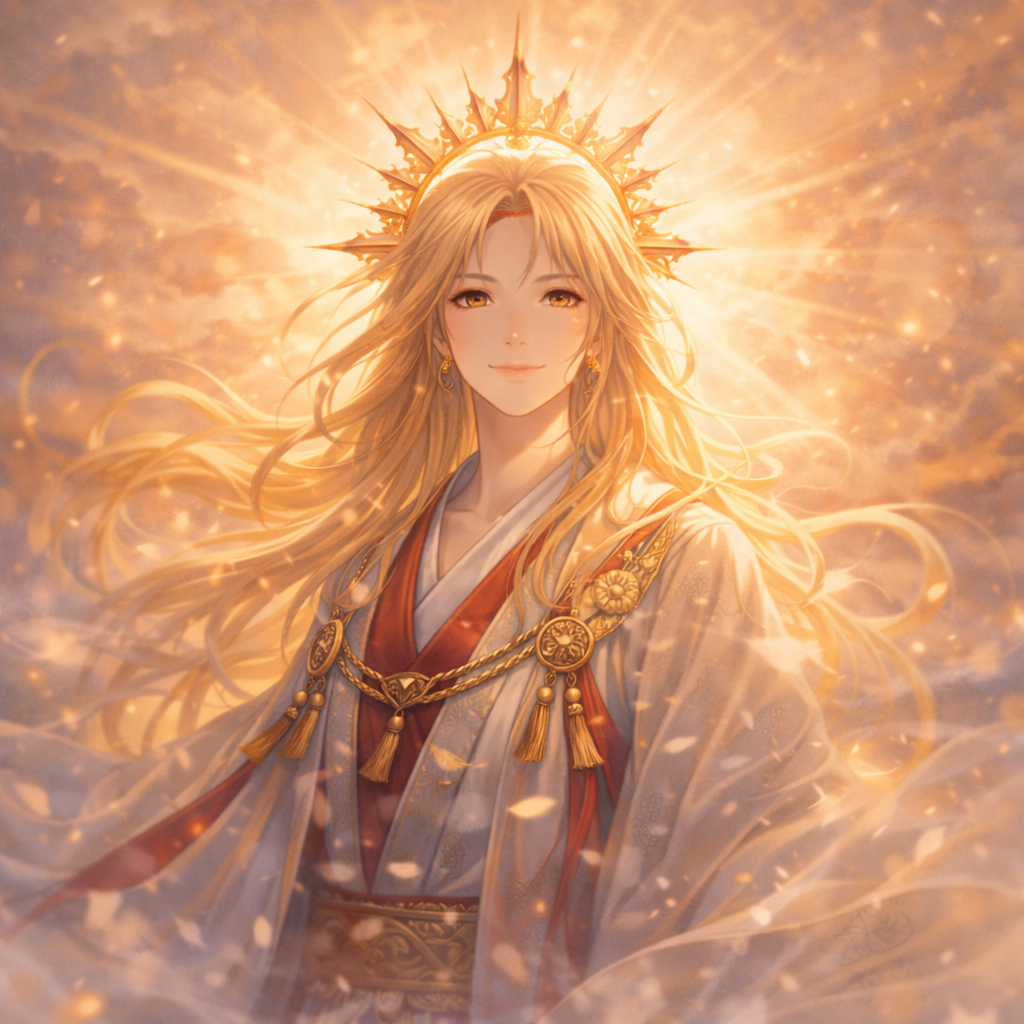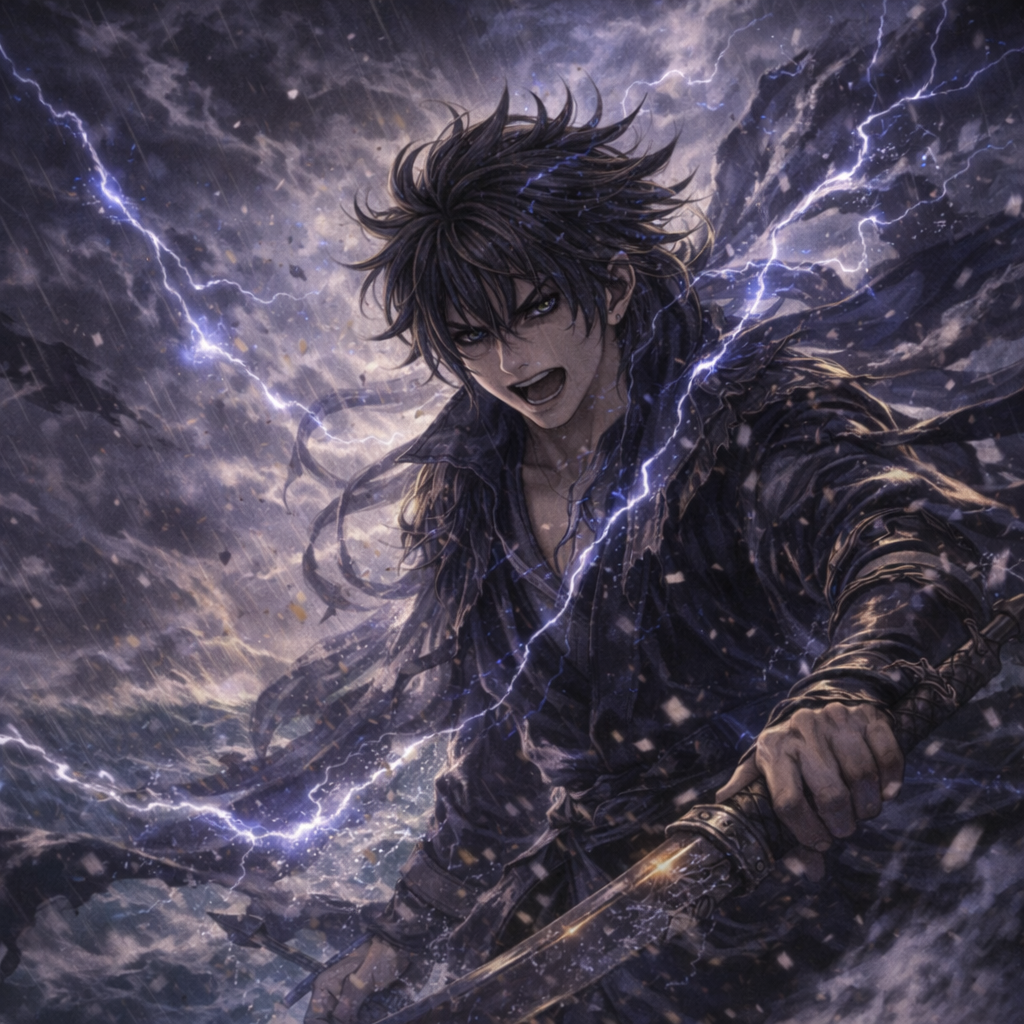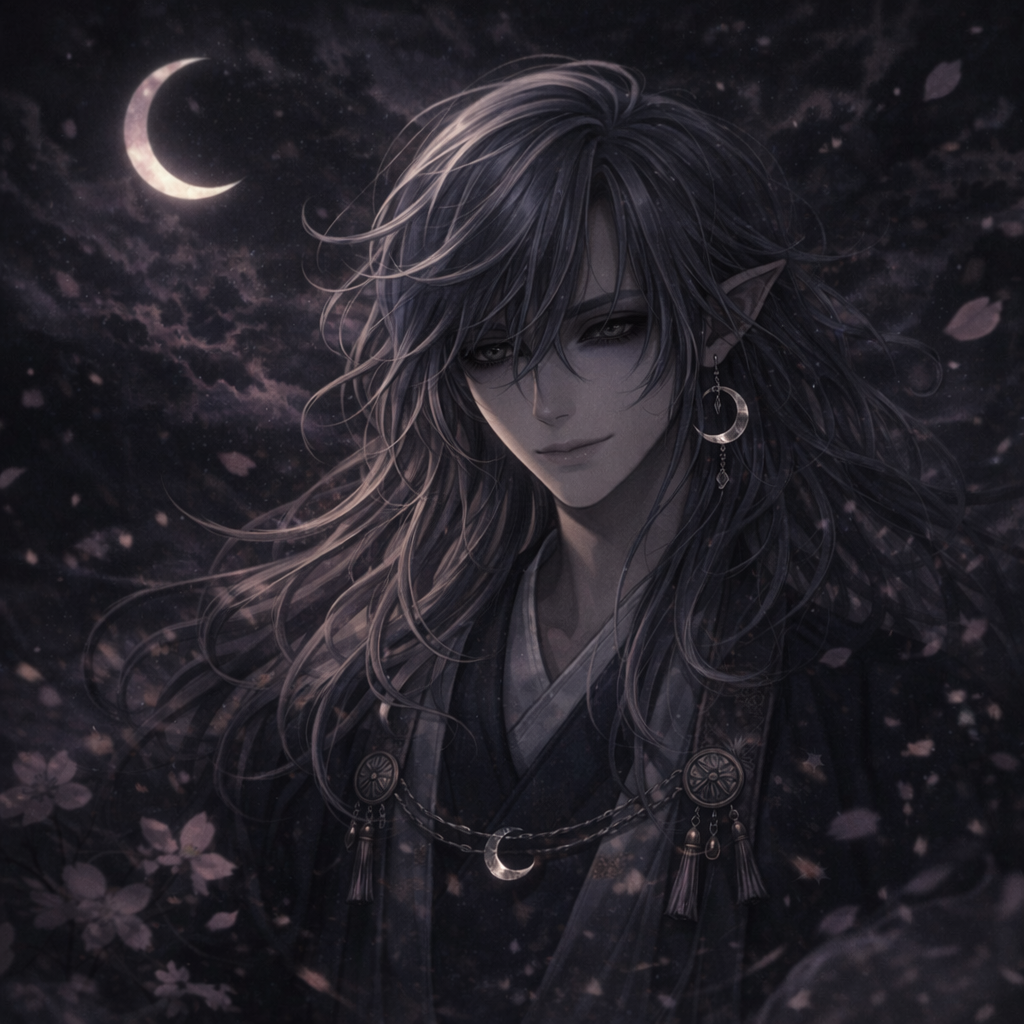
Tsukuyomi — The Enigmatic Deity Who Rules the Night and the Moon
Tsukuyomi-no-Mikoto
Tsukuyomi-no-Mikoto (Kojiki) / Tsukuyomi-no-Mikoto, Tsukuyumi-no-Mikoto (Nihon Shoki)
Tsukuyomi is the deity who rules the moon and the night in Japanese mythology. Counted among the "Three Noble Children" alongside the sun goddess Amaterasu and the sea god Susanoo, Tsukuyomi is a figure of high importance, yet appears so seldom in the myths that the deity's character remains largely shrouded in mystery. This very "untold" quality is one of Tsukuyomi's defining traits.
| Divine role | God of the moon; deity who rules the night |
|---|---|
| Gender | Generally regarded as male (the Kojiki and Nihon Shoki give little explicit statement) |
| Parentage | Izanagi — said to have been born when Izanagi washed his right eye during the purification rite |
| Siblings | Amaterasu and Susanoo — the Three Noble Children |
| Sources | Kojiki and Nihon Shoki |
| Blessings | Safe childbirth, safety at sea, abundant harvests, fulfillment of heartfelt wishes, and more |
| Major shrines | Tsukiyomi-no-miya (an auxiliary shrine of Ise Grand Shrine, Mie), Gassan Shrine (Yamagata), and Tsukiyomi shrines across Japan |
Tsukuyomi is said to have been born from the right eye during Izanagi's purification rite. Izanagi entrusted Tsukuyomi with the rule of the night (or, in some accounts, of the sea).
An alternate account in the Nihon Shoki relates how Tsukuyomi visited Ukemochi, the deity of food. When Ukemochi produced food from her mouth to offer hospitality, Tsukuyomi deemed this defiling and struck her down. Enraged, Amaterasu declared, "I will never look upon you again," and from then on the sun and the moon were divided into day and night, never again to meet face to face — an episode explaining the origin of day and night. (Note: a closely parallel "slaying of the food deity" appears in the Kojiki as the story of Susanoo and Ogetsuhime, so the figure responsible differs depending on the source.)
Tsukuyomi's mythology goes little further than this, and the deity scarcely appears in the narratives thereafter. That such scant description should attend a figure of the lofty rank of the Three Noble Children has long drawn attention and invited a variety of interpretations.
Tsukuyomi is a deity symbolizing stillness, the night, and the interval (ma). Whereas the sun is the daytime deity that "appears and illuminates," the moon is the nighttime deity that "withdraws and waxes and wanes." The very fact of not being spoken of, of not showing one's form, shapes this deity's character. Just as day and night never meet, Tsukuyomi has been understood as a being who holds meaning within distance and silence.
Tsukuyomi is enshrined at Tsukiyomi-no-miya, an auxiliary shrine of Ise Grand Shrine, as well as at Gassan Shrine in Yamagata and the Tsukiyomi shrines of Kyoto, Iki, and elsewhere. In keeping with the waxing and waning of the moon, beliefs concerning safe childbirth, sea voyages, and the fulfillment of heartfelt wishes have been handed down.