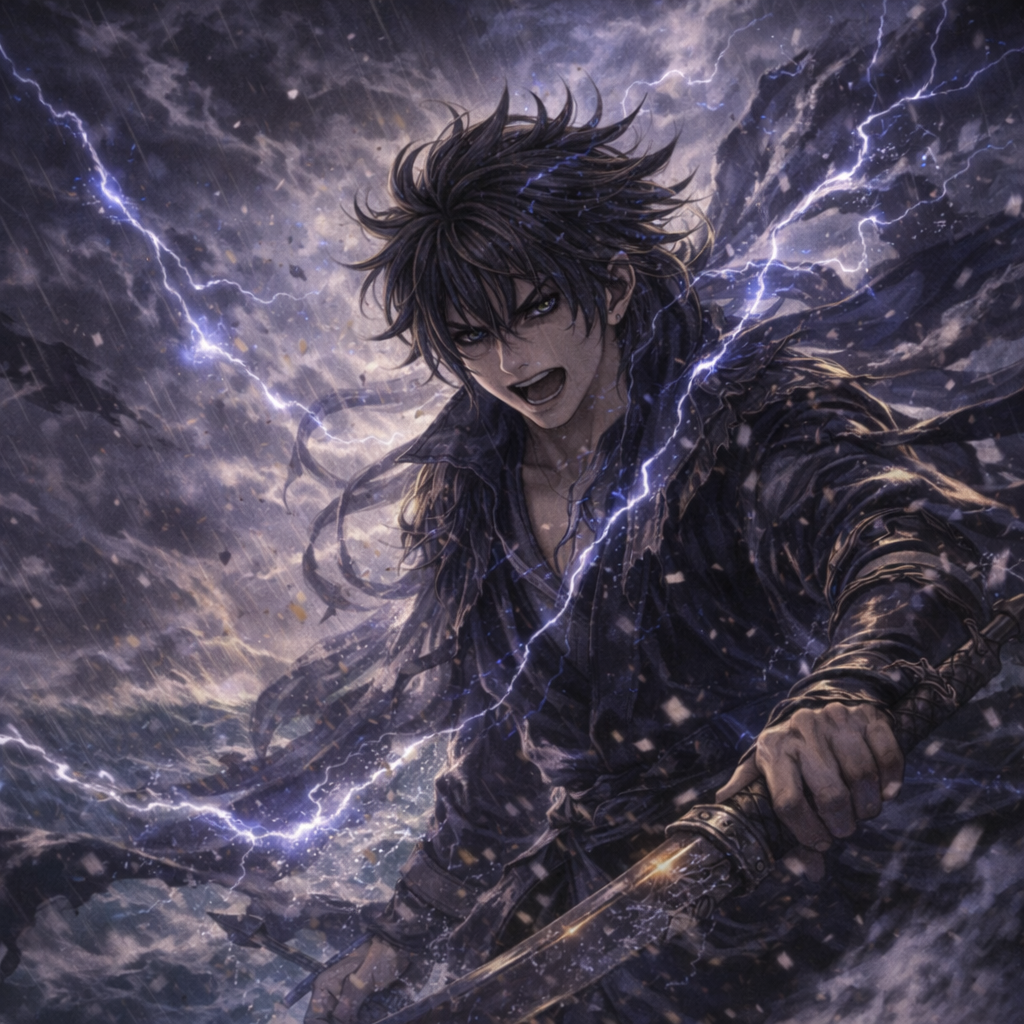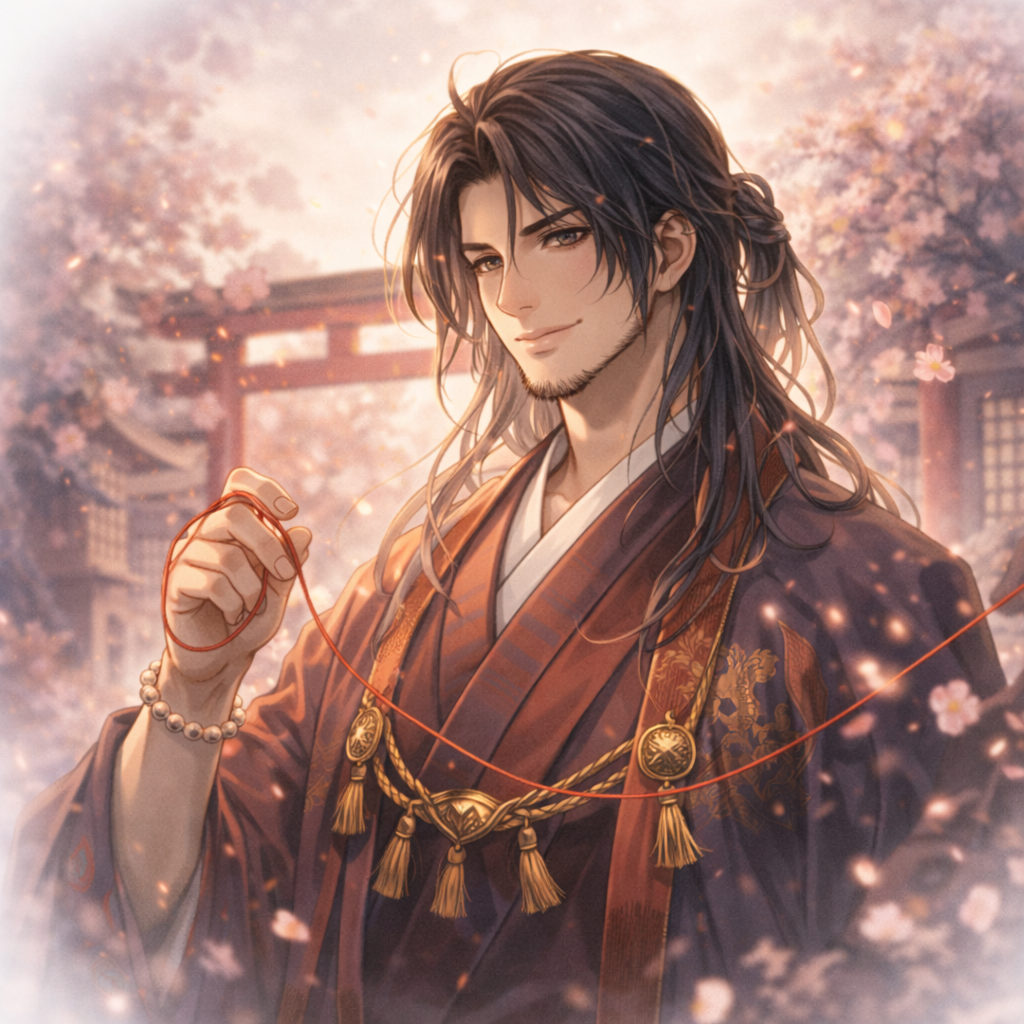
The White Hare of Inaba (Inaba no Shirousagi) is one of the myths recorded in the Kojiki. Stripped of its fur as punishment for deceiving the wani, the hare is rescued by the kind-hearted Okuninushi (here called Onamuji), who teaches it the proper cure. In gratitude, the hare foretells that Okuninushi will be joined with the beautiful Yakamihime, marking the starting point of the young god who would later become the deity of land-making.
| Primary source text | Kojiki, Volume One (the opening of the Okuninushi myths) |
|---|---|
| Main setting | From the island of Oki to Cape Keta in the land of Inaba (modern Tottori Prefecture) |
| Principal deities | Onamuji (later Okuninushi), the Yasogami, Yakamihime, and the White Hare (Hakuto-shin) |
| Theme of the tale | Compassion, true wisdom, and the prophecy of marriage |
| Associated shrine | Hakuto Shrine (Hakuto, Tottori City) |
| Blessings | Matchmaking, recovery from illness, skin ailments, and medicine |
A hare living on the island of Oki wished to cross to the land of Inaba on the opposite shore, and so it deceived the wani (translated as "crocodile" but thought in the ancient language to mean sharks) of the sea. "Let us count which is greater in number, my kind or yours," it said, lining the wani up in a single row across the water and using their backs as stepping-stones to cross. But just before reaching the far side, it let slip, "You have all been tricked," and the enraged wani seized it and tore the fur from its entire body. Stripped bare, the hare lay weeping on the shore in pain.
There came a party of the Yasogami — the eighty brother gods of Onamuji — on their way to Inaba to court the beautiful goddess Yakamihime. The ill-natured Yasogami gave the suffering hare a false cure: "Bathe in seawater, let the wind dry you, and lie down in a high place." The hare did as it was told, but as the salt dried, its skin split and it was hurt all the more, weeping more bitterly than before.
Burdened with all the baggage and walking last like a servant, the youngest brother, Onamuji, found the hare. He taught it: "Go at once to the mouth of a freshwater river and wash your body, then roll in the pollen of the cattail flowers and lie down." When the hare did so, its wounds healed and its white coat was restored. Cattail pollen, called hoo, was in fact used as a medicine to stop bleeding and treat wounds, and this scene is told as an origin tale of medicine in Japan. For this reason, Hakuto Shrine is also regarded as a birthplace of medicine.
Healed, the hare thanked Onamuji and foretold: "It is you, who were made to carry the baggage, who shall wed Yakamihime — not those Yasogami." When the party reached Yakamihime, she turned away every one of the Yasogami suitors, declaring, "I will not listen to your words. It is to Onamuji that I shall be married." The hare's prophecy came true, and the kind-hearted youngest brother was chosen. In later ages this hare was deified as the White Hare deity, Hakuto-shin.
The White Hare of Inaba is at once a self-contained folktale and the opening of the long saga of Okuninushi in the Kojiki. Having shown compassion to the weak and true wisdom, Onamuji is afterward killed twice by the jealous Yasogami and revived each time, overcomes Susanoo's trials in the Land of the Roots, and at last grows into the great deity who completes the making of the land in Izumo. The episode of the hare is read as the origin point that symbolizes the very first "kindness" this hero displayed.