What Is the Kojiki? Japan's Oldest History and a Principal Source of Its Mythology
The Kojiki (Records of Ancient Matters) is Japan's oldest surviving history, completed in 712 CE. Traditions recited by Hieda no Are were transcribed and compiled by O no Yasumaro, covering the era from the creation of heaven and earth in the age of the gods down to the reign of Empress Suiko, arranged in three volumes: upper, middle, and lower. Many of the principal stories of Japanese mythology, such as the hiding in the rock cave and the slaying of the Yamata no Orochi, draw primarily on the Kojiki as their source.
Category
History / mythology and chronicle
Completed
712 CE (5th year of Wado)
Volumes
Three volumes: upper, middle, and lower
Compilation
Hieda no Are (recitation) / O no Yasumaro (transcription and compilation)
Commissioning emperors
Initiated by Emperor Temmu, completed under Empress Genmei
Scope
From the creation of heaven and earth (age of the gods) to Empress Suiko
Style
Variant classical Chinese, leaning toward Japanese with Man'yogana
How It Came to Be
The compilation of the Kojiki began when Emperor Temmu (reigned 673–686), seeking to correct discrepancies among the "Teiki" (imperial genealogies) and "Kuji" (ancient narratives) then transmitted within various families, had Hieda no Are, a courtier of exceptional memory, recite (commit to memory and master) the correct traditions. The project was suspended for a time after Emperor Temmu's death, but it was later resumed by O no Yasumaro at the command of Empress Genmei, who transcribed and compiled the material Are recited and presented the work in the first month of 712 CE. The opening preface was written by O no Yasumaro himself and remains a valuable record of the circumstances of the work's creation.
The Structure of the Three Volumes
The Kojiki consists of three volumes: upper, middle, and lower. The upper volume tells the stories of the gods (the age of the gods), beginning with the creation of heaven and earth and including the begetting of the land by Izanagi and Izanami, Amaterasu's hiding in the rock cave, Susanoo's slaying of the Yamata no Orochi, Okuninushi's transfer of the land, and Ninigi's descent of the heavenly grandchild. The middle volume covers the era from the first emperor, Jimmu, to Emperor Ojin, and the lower volume covers the era from Emperor Nintoku to Empress Suiko, recording the genealogies, deeds, and songs of successive emperors.
Its Standing as a Source of Mythology
Many of the stories widely known as Japanese mythology draw primarily on the Kojiki as their source. Its genealogies of the gods, the way it renders their names, and the plotting of its narratives exerted a profound influence on later religion, literature, and the performing arts. The Kojiki contains many songs in its text (the songs of the Kojiki and Nihon Shoki) and records proper nouns and the cadence of its narration in Man'yogana, which makes it valued as well as a source that conveys the language of antiquity and the nature of oral transmission.
Differences from the Nihon Shoki
Eight years after the Kojiki, in 720 CE, the "Nihon Shoki" (The Chronicles of Japan) was completed. Both works arose from compilation projects of the same period and share many stories, yet they differ in character. The Nihon Shoki comprises thirty volumes in classical Chinese, arranged in annalistic form, with a strong cast of a chronicle that records the deeds of emperors in chronological order, and it presents variant traditions side by side with the formula "one writing says." The Kojiki, by contrast, comprises three volumes in variant classical Chinese leaning toward Japanese, and tends to tell the stories of the gods as relatively coherent narratives. Some regard the Kojiki as intended for a domestic audience and the Nihon Shoki as an official history directed outward, but this is one way of organizing an understanding of their respective characters rather than a distinction that can be drawn cleanly. The details of the stories also sometimes diverge between the two works, and differences can be seen even in the way divine names are written (for example, Amaterasu-Omikami versus Amaterasu-Okami).
It is Japan's oldest surviving history, completed in 712 CE. It arranges the myths, traditions, and genealogies from the age of the gods to Empress Suiko in three volumes—upper, middle, and lower—and serves as a principal source of Japanese mythology.
Q. Who wrote the Kojiki?
Hieda no Are recited (committed to memory and mastered) the traditions, and O no Yasumaro transcribed and compiled them. The compilation began at the initiative of Emperor Temmu and was completed under Empress Genmei.
Q. What is the difference between the Kojiki and the Nihon Shoki?
The Kojiki was completed in 712 CE in three volumes in a style leaning toward Japanese, and tends to tell the stories of the gods as connected narratives. The Nihon Shoki was completed in 720 CE in thirty volumes of classical Chinese arranged in annalistic form, with a strong cast of a chronicle that records the deeds of emperors in chronological order and presents variant traditions side by side. They share many stories, but differ in details and in the way divine names are written.
Q. What myths does the Kojiki contain?
The begetting of the land by Izanagi and Izanami, Amaterasu's hiding in the rock cave, Susanoo's slaying of the Yamata no Orochi, the White Hare of Inaba, Okuninushi's transfer of the land, and Ninigi's descent of the heavenly grandchild are contained mainly in the upper volume.
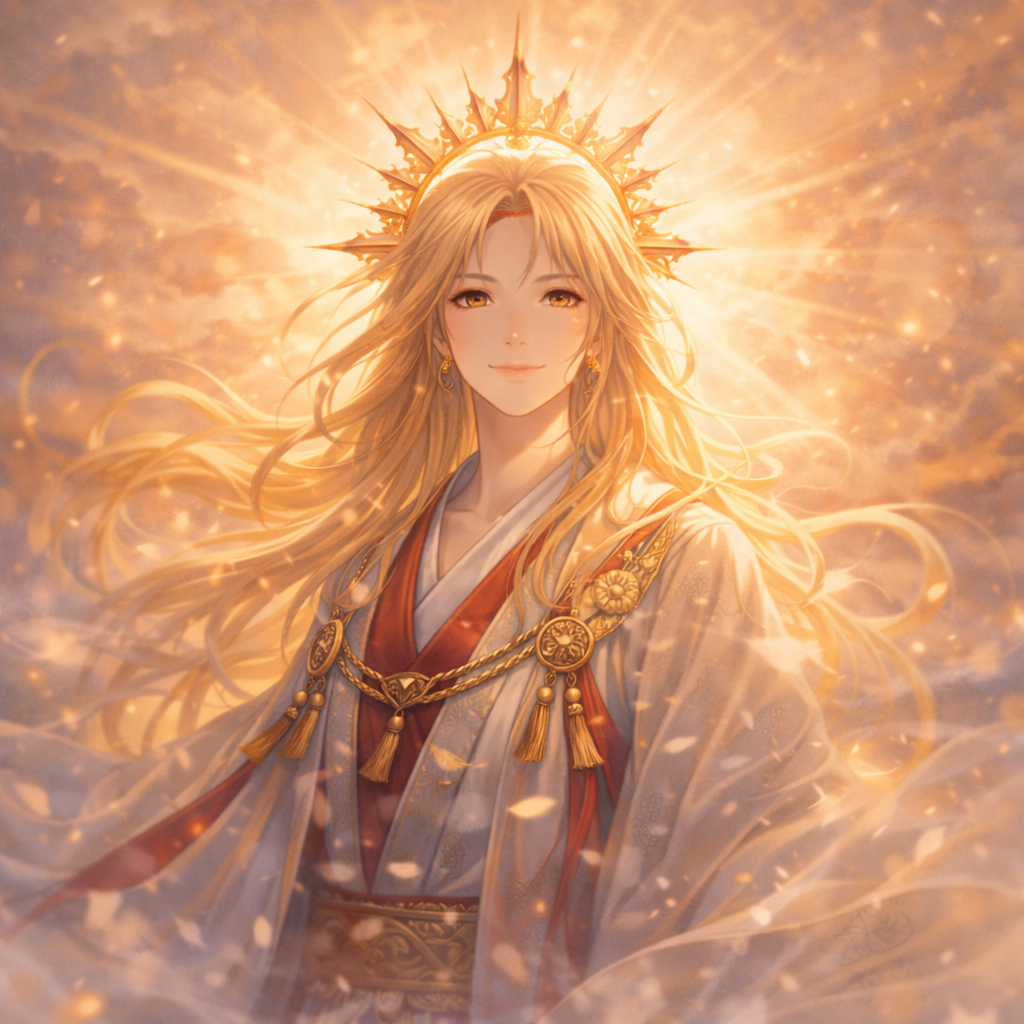 AmaterasuThe central deity of the upper volume, recounted in the stories of the hiding in the rock cave and the descent of the heavenly grandchild, and regarded as the ancestral deity of the imperial house
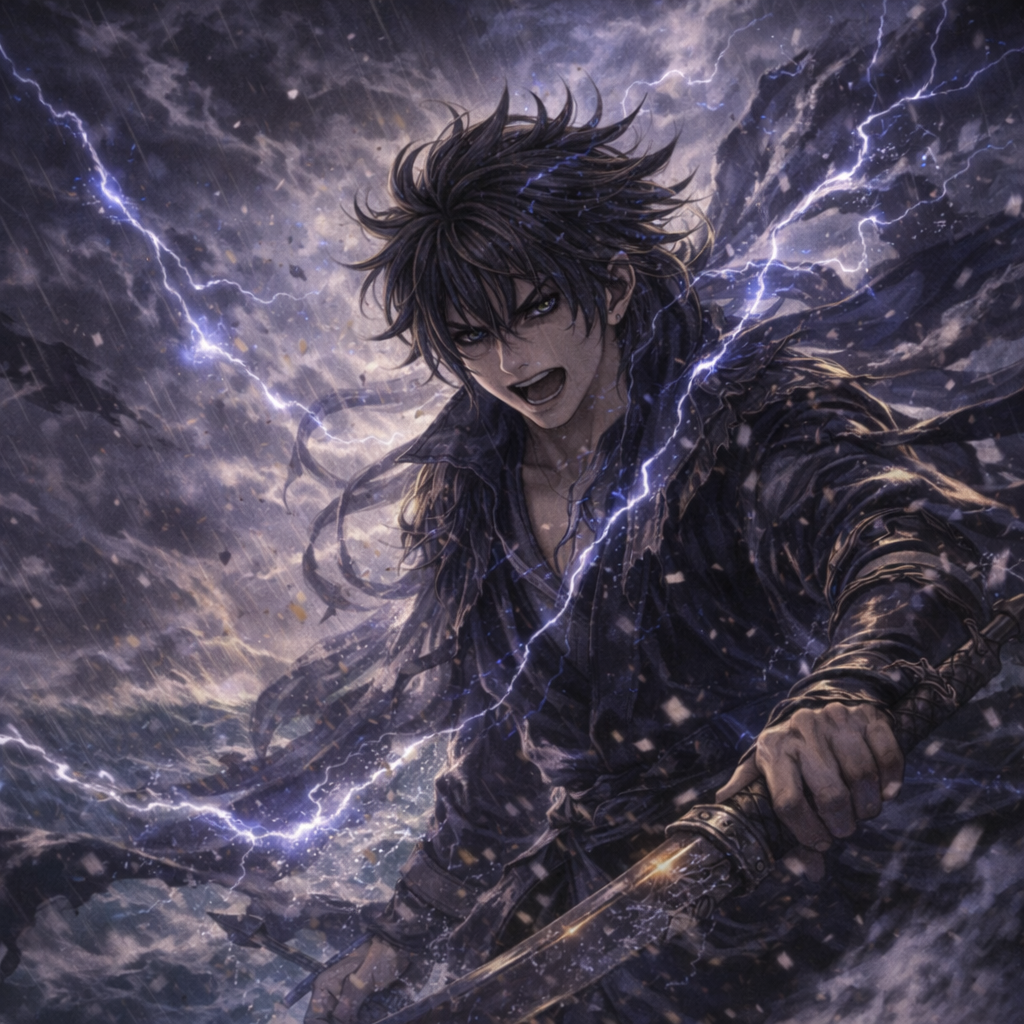 SusanooThe god of storms and unruly force, whose slaying of the Yamata no Orochi and other deeds are told in the upper volume
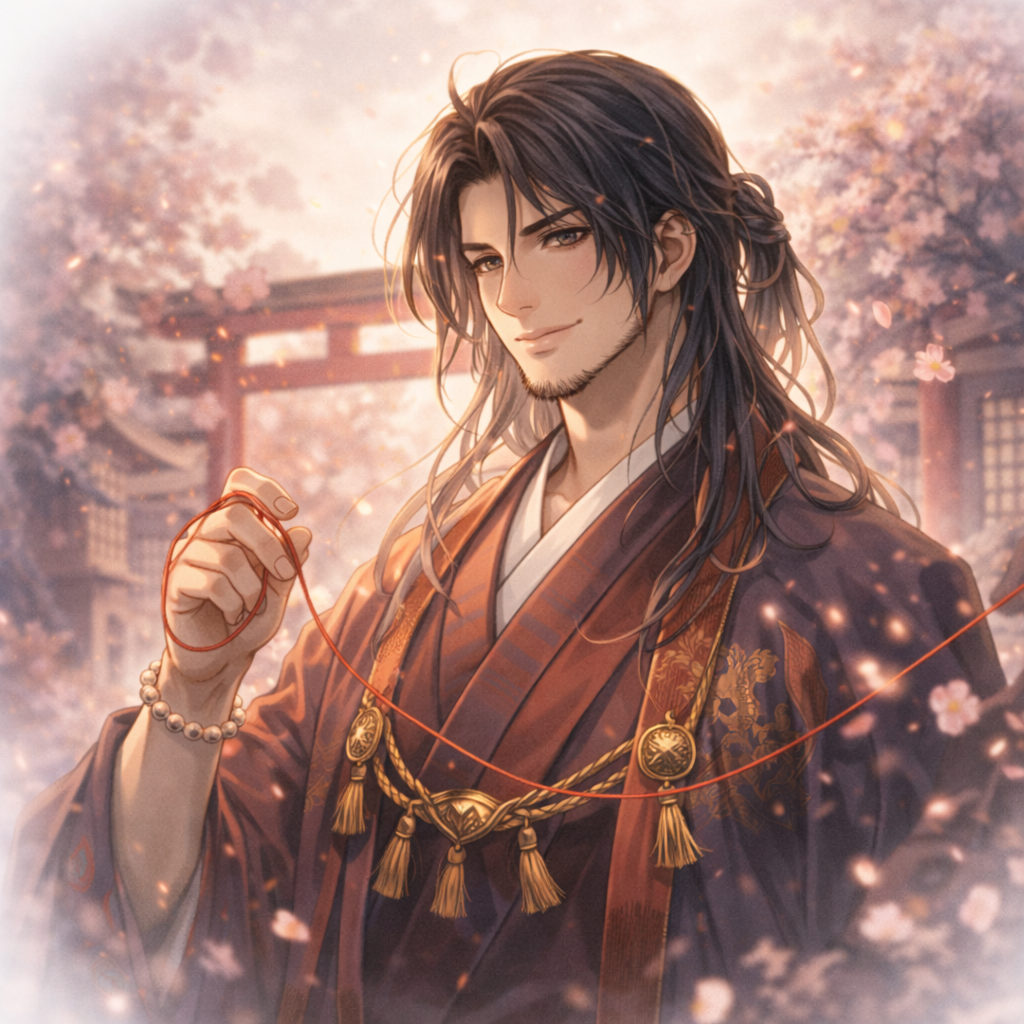 OkuninushiThe protagonist of the Izumo cycle of myths, whose creation of the land and transfer of the land are told in the upper volume
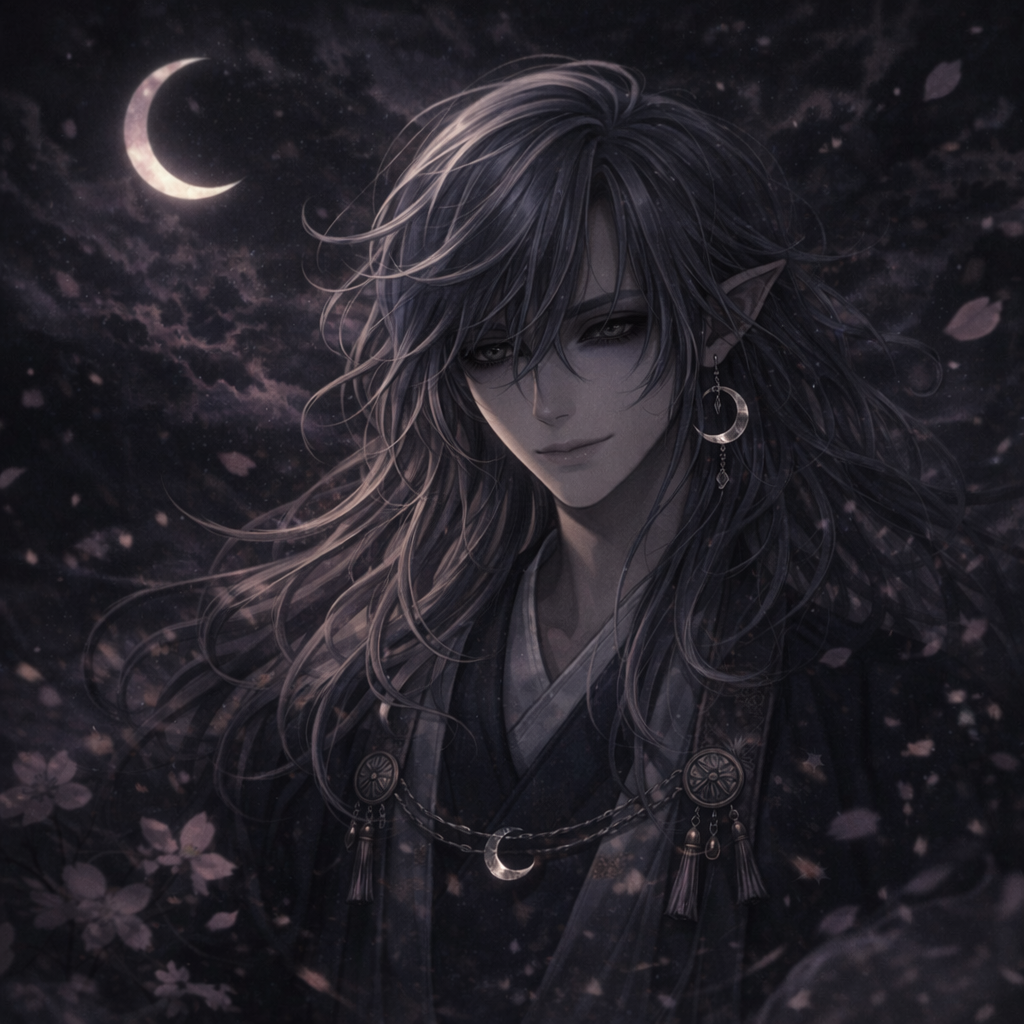 TsukuyomiThe deity of night and the moon, recorded together with Amaterasu and Susanoo as one of the three precious children
 Ame-no-UzumeThe deity who performs a dance in the scene of the hiding in the rock cave, creating the moment that brings light back to the world