What Is Yomi? — Izanagi's Descent to the Land of the Dead and the Birth of the Three Noble Children
Yomi-no-kuni (the Land of Yomi) is the subterranean realm to which the dead are said to go in Japanese mythology. The tale of Izanagi descending into Yomi in pursuit of his wife Izanami—who died after giving birth to the fire god—is told in detail in the Kojiki. When Izanagi, who fled home after seeing his wife's transformed body, purified himself through misogi (ritual cleansing), the Three Noble Children—Amaterasu, Tsukuyomi, and Susanoo—were born.
Category
Tale from Japanese mythology (the visit to the Land of Yomi)
Principal Sources
Kojiki, Volume One (absent from the main text of the Nihon Shoki, with related variants in its "alternate writings")
Main Settings
The Land of Yomi / Yomotsu Hirasaka (the Flat Slope of Yomi) / Awakigahara in Tsukushi (the site of the purification)
Principal Deities
Izanagi-no-Mikoto, Izanami-no-Mikoto, the Three Noble Children, and others
Associated Sites
Yomotsu Hirasaka (Iya, Higashi-Izumo, Matsue City, Shimane Prefecture) and the Chibiki Rock
Themes
The origin of life and death, defilement and purification, the passing of generations
The Beginning of the Descent — The Death of Izanami
The married deities Izanagi and Izanami, who had been giving birth to the lands and to the gods, suffered tragedy when Izanami bore the fire god Kagutsuchi (Hi-no-Kagutsuchi). Burned in the act, she lost her life and departed for the Land of Yomi. Longing for his wife, Izanagi descended into Yomi, the world of the dead, hoping to see her once more. This is the moment in which "death" first enters the myth, and it becomes the starting point for all that follows.
The Forbidden Glance and the Transformed Body
Reunited at the doorway of the palace of Yomi, Izanami told him that she had already eaten the food of Yomi (yomotsu-hegui) and so could not easily return, and she asked him: "While I consult with the gods of Yomi, do not look at me under any circumstances." But Izanagi, unable to wait, lit a torch and peered in—only to find that Izanami's body had rotted and that eight thunder gods writhed across her, a terrifying transformation. Shamed and enraged that her plea had been broken, Izanami sent the hags of Yomi (yomotsu-shikome) and the thunder gods to pursue him.
The Parting at Yomotsu Hirasaka
Izanagi drove off his pursuers by hurling peaches at them, and at last escaped to Yomotsu Hirasaka (the Flat Slope of Yomi), the boundary between the world of the living and the Land of Yomi. There he sealed the slope with the Chibiki Rock—a boulder so vast it would take a thousand people to move—and the two deities, with the stone between them, swore an eternal parting. When Izanami declared, "Each day I will kill a thousand people," Izanagi replied, "Then each day I will build fifteen hundred birthing huts." Through this exchange, the cycle of life and death was fixed: that people die each day, yet still more are born. The Kojiki identifies Yomotsu Hirasaka with Ifuya-zaka in the province of Izumo, and the traditional site, along with the Chibiki Rock, survives today in Iya, Higashi-Izumo, Matsue City, Shimane Prefecture.
Purification and the Birth of the Three Noble Children
Bearing the defilement of Yomi, Izanagi returned and performed misogi (ritual cleansing) to purify himself at Awakigahara, by the Tachibana no Odo in Himuka, in Tsukushi. As he did so, many deities were born from the garments he removed and the waters he shed. Finally, when he washed his face, Amaterasu-Omikami (Amaterasu) was born from his left eye, Tsukuyomi-no-Mikoto (Tsukuyomi) from his right eye, and Takehaya-Susanoo-no-Mikoto (Susanoo) from his nose—the Three Noble Children. Delighted, Izanagi commanded Amaterasu to rule the High Plain of Heaven (Takamagahara), Tsukuyomi to rule the realm of the night, and Susanoo to rule the ocean plain.
Differences Between the Kojiki and the Nihon Shoki
It is chiefly the Kojiki that transmits the visit to the Land of Yomi as a coherent narrative. The main text of the Nihon Shoki scarcely tells the visitation tale, instead scattering fragmentary parallels across several "alternate writings" (aru-fumi). The birth of the Three Noble Children likewise varies: whereas the Kojiki has them arise naturally from the purification, the alternate writings of the Nihon Shoki offer several versions—one in which Izanagi and Izanami consult together and produce them, and another in which they are born from mirrors held in the left and right hands.
It is the subterranean world to which the dead are said to go in Japanese mythology. The Kojiki tells how Izanami, who died after giving birth to the fire god, departed for this land, and how her husband Izanagi descended in pursuit of her.
Q. Why did Izanagi flee from Yomi?
Breaking Izanami's plea of "do not look at me," he peered in by torchlight and found that her body had rotted and that thunder gods writhed across it—a terrifying sight. Pursued by the enraged Izanami, he escaped by sealing Yomotsu Hirasaka with the Chibiki Rock.
Q. How were the Three Noble Children born?
When Izanagi performed misogi at Awakigahara in Tsukushi to cleanse the defilement of Yomi, Amaterasu was born from his left eye, Tsukuyomi from his right eye, and Susanoo from his nose. Together they are called the Three Noble Children.
Q. Is Yomotsu Hirasaka a real place?
The Kojiki records the boundary between Yomi and the living world as Ifuya-zaka in the province of Izumo, and the traditional site, together with the "Chibiki Rock," survives in Iya, Higashi-Izumo, Matsue City, Shimane Prefecture. It is a mythical boundary that has been handed down to the present as a place of legend.
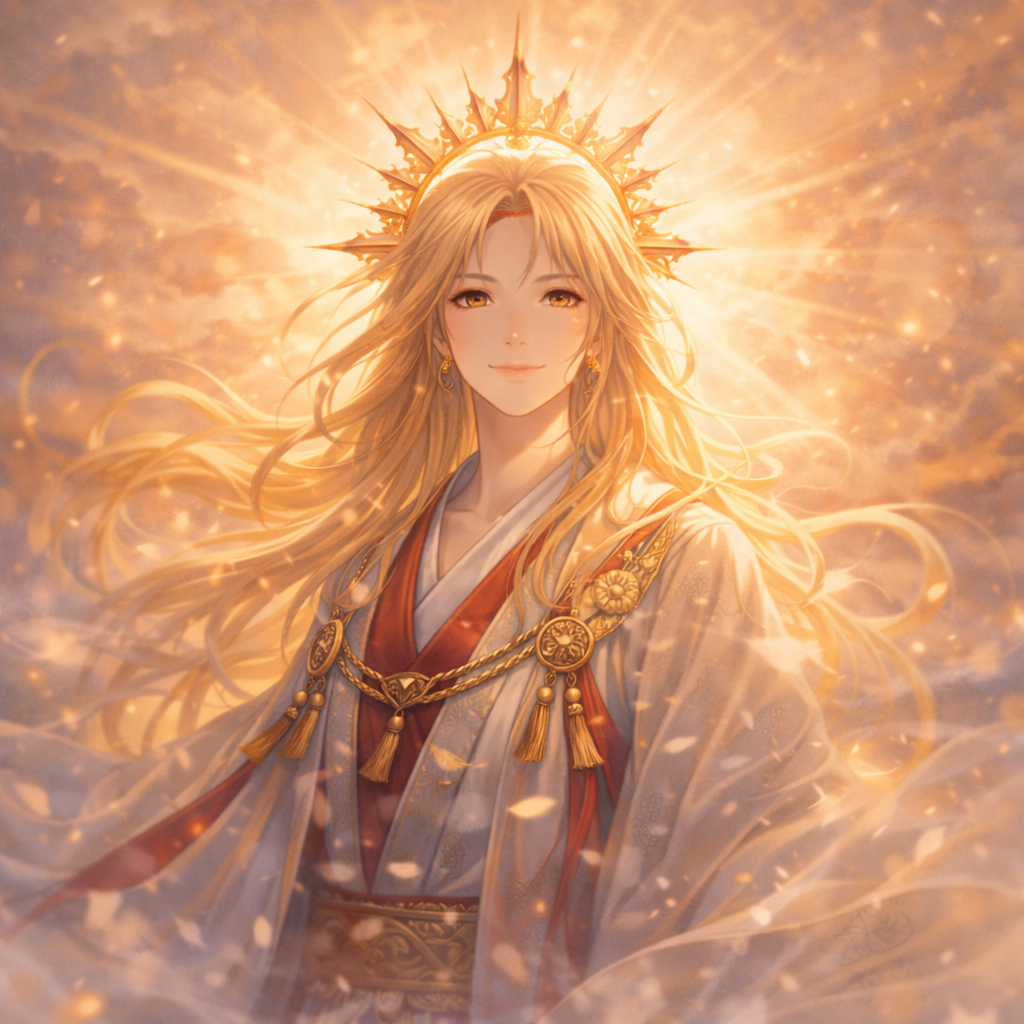 AmaterasuThe sun goddess, born from Izanagi's left eye during the purification. The eldest of the Three Noble Children, entrusted with rule over the High Plain of Heaven.
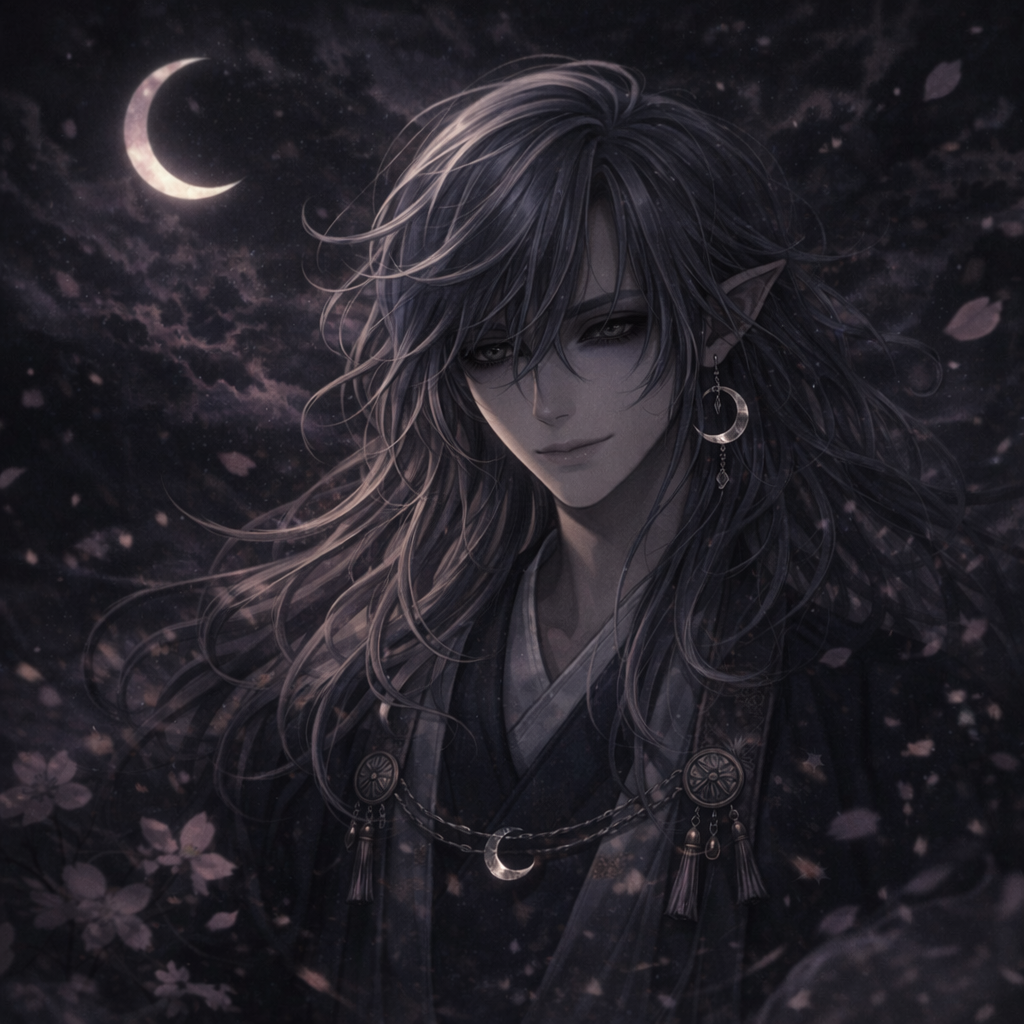 TsukuyomiThe moon god, born from the right eye. He was commanded to rule the realm of the night (yoru-no-osukuni).
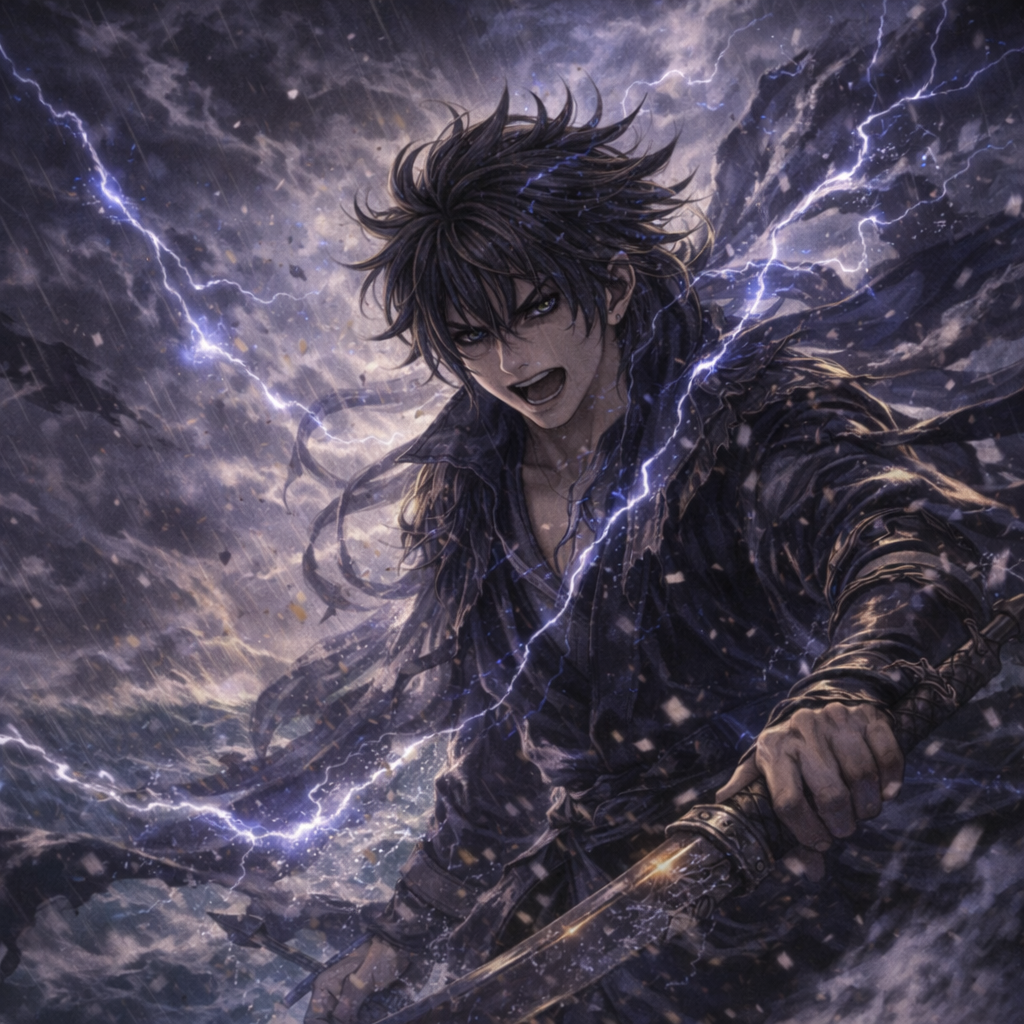 SusanooThe unruly god born from the nose. Though commanded to rule the ocean plain, he is said to have wept ceaselessly out of longing for Yomi, where his mother Izanami dwelt.